
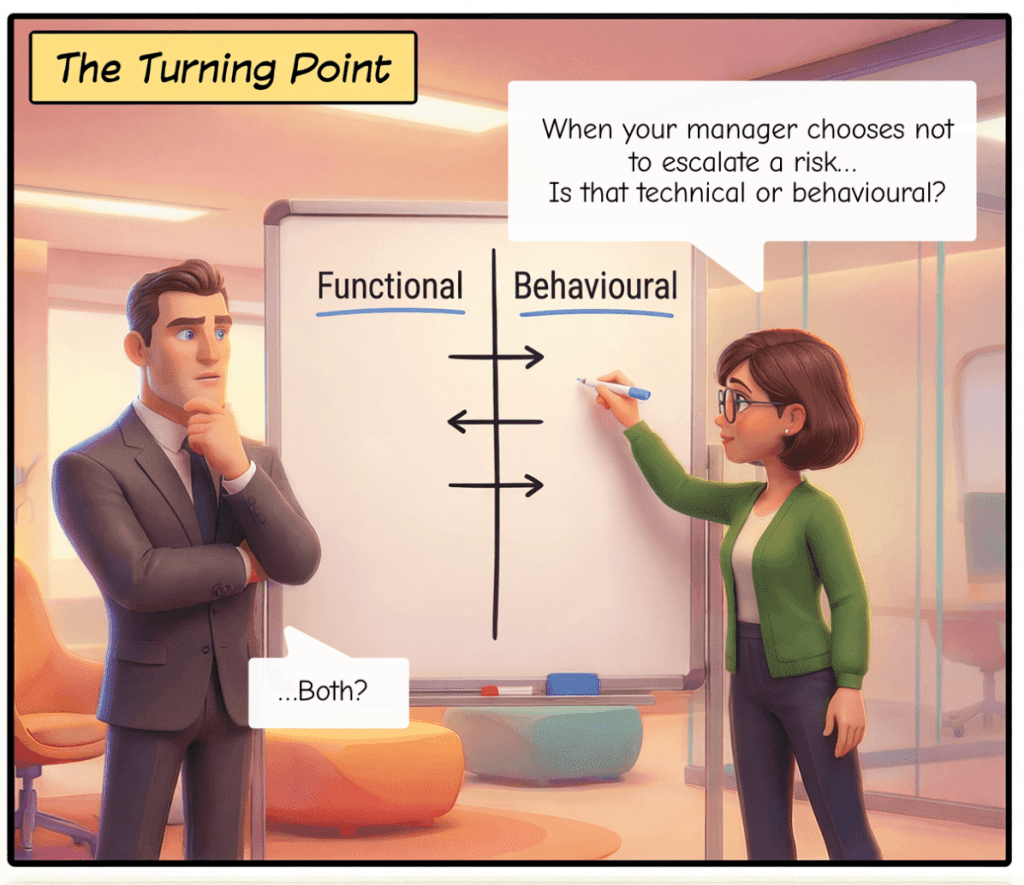
Not long ago, client conversations in talent development felt neatly contained—a leadership program here, a competency framework there, perhaps an assessment center for a key group. Boundaries between behavioral and functional development remained clear, even if imperfect.
Today, those lines are dissolving fast. L&D leaders and consultants now grapple with a single, deceptively simple demand from business stakeholders:
We want something integrated.
They seek leadership capability fused with functional depth, behavior change tied to business impact, culture alignment alongside role clarity, skill building, and measurable outcomes—all within one engagement. This shift presents profound design challenges in crafting solutions that truly deliver.

Across industries, a pattern emerges: stakeholders move beyond isolated learning programs or assessments to probe deeper questions.
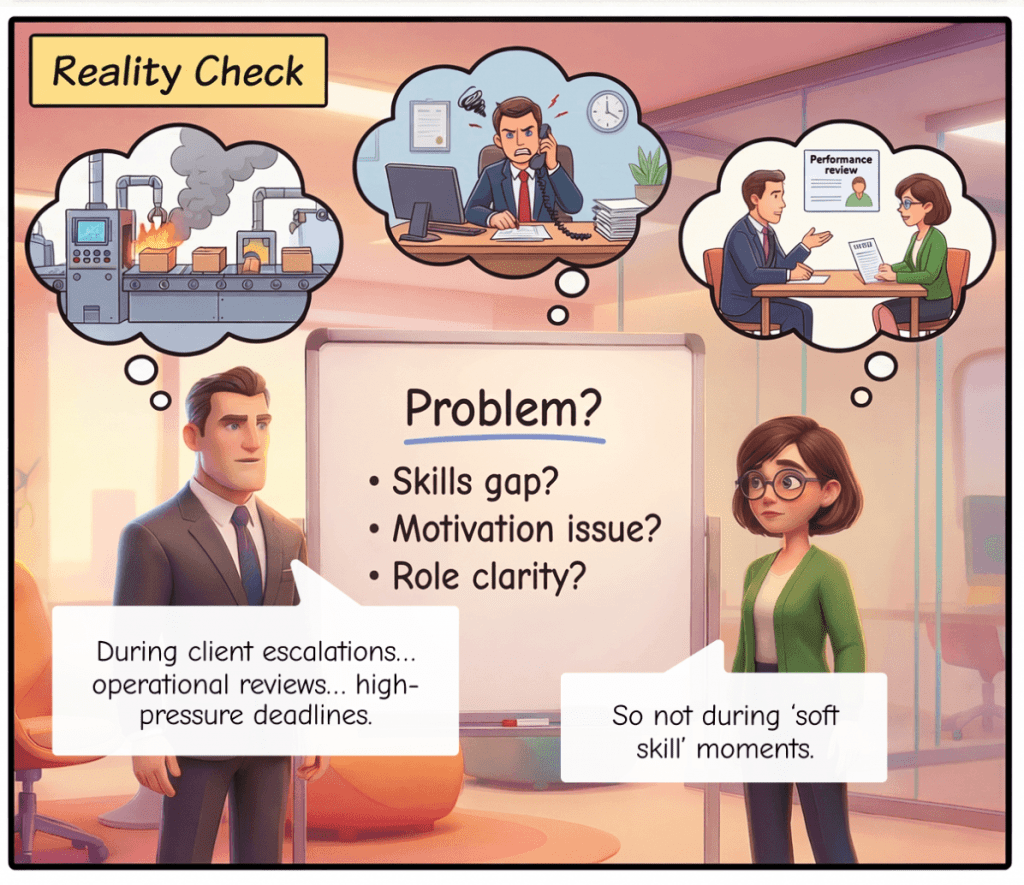
Why do technically strong leaders falter when scaling impact?
Why do interventions spark awareness but not lasting behavior change?
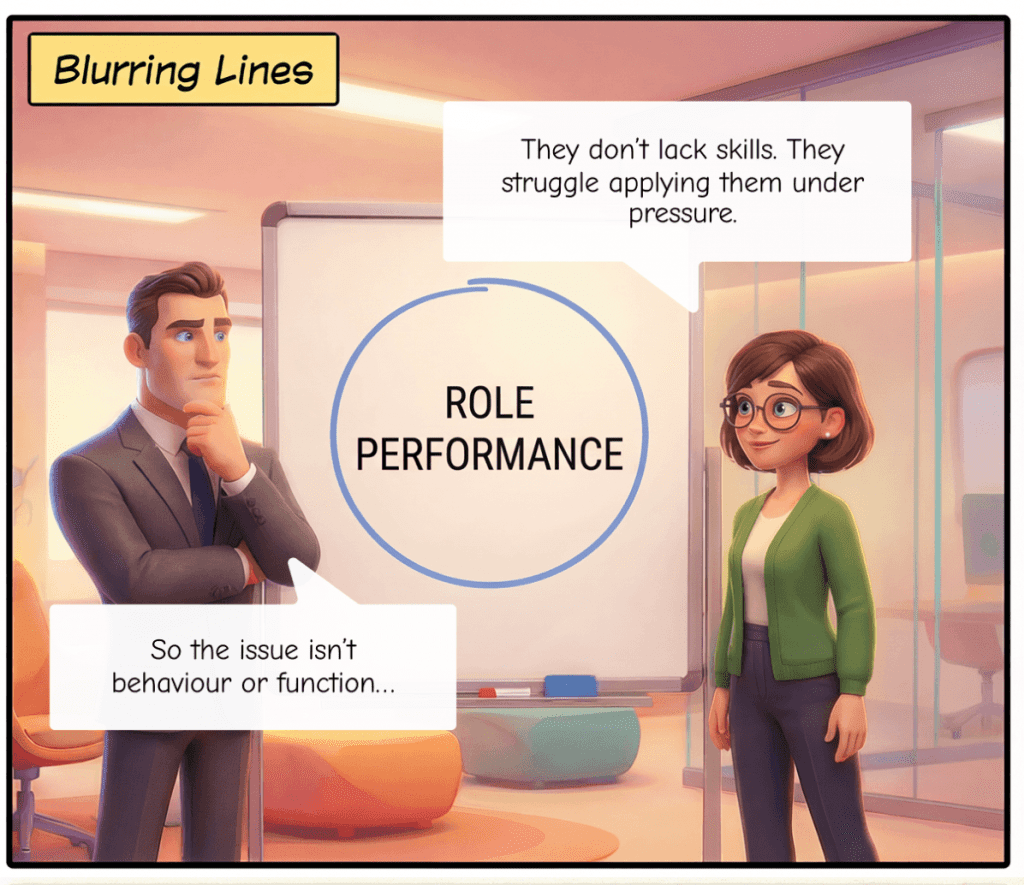
Why does capability exist yet vanish in execution?
They crave solutions that connect how people think, act, decide, and perform in real business contexts.
Yet the term “integrated” often hides ambiguity — does it mean merging competencies, linking learning to metrics, or aligning individuals with strategy? In most cases, it implies all of these but without any clear priorities.

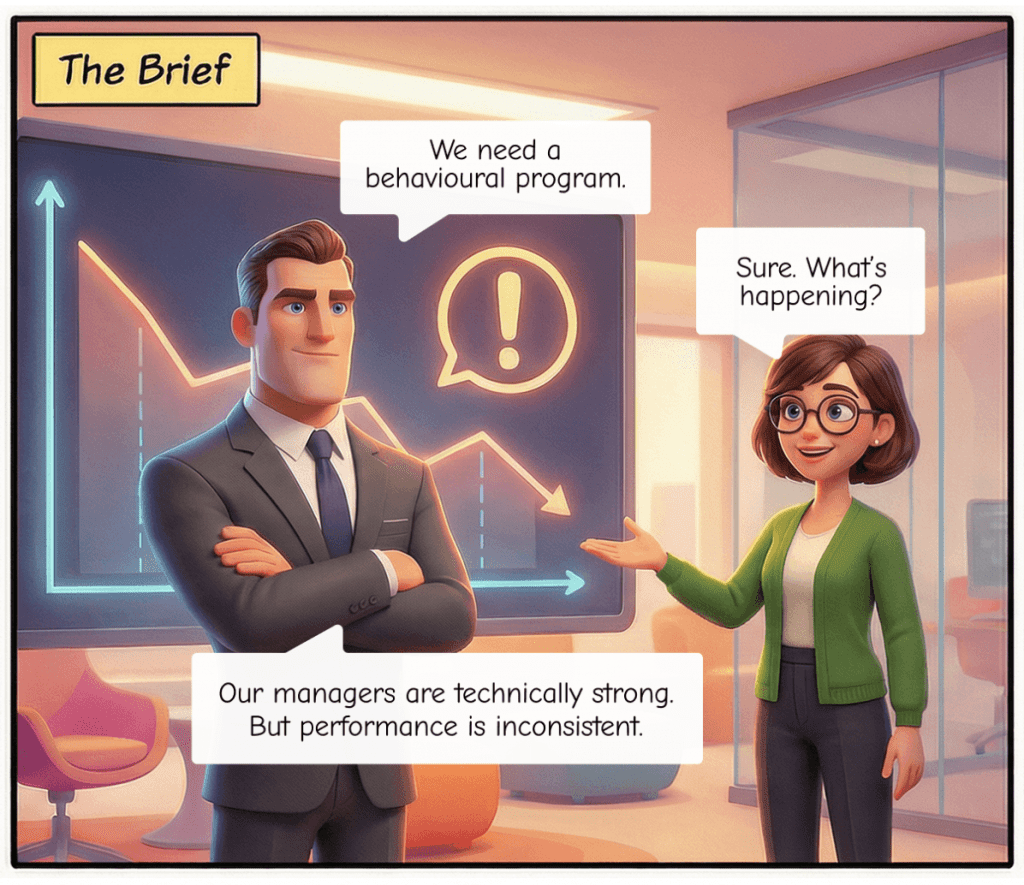
Consider a fast-growing manufacturing firm that tasked us with redesigning mid-level manager development. Heavy investments in functional excellence—process rigor, certifications, operational best practices—hadn’t curbed inconsistencies.
High-potentials excelled technically but struggled with cross-functional collaboration, ownership, and high-pressure decisions; attrition spiked in key plants.
Integration succeeded by connecting the right elements at pivotal moments.
L&D leaders and consultants face intense temptation: dazzle stakeholders with elaborate models and multi-layered designs.
But unfocused integration breeds design pitfalls:
Over-engineered frameworks that overwhelm users
Programs attempting to develop everything yet changing little
Assessments rich in data but poor in action


The core irony?
Stakeholders demand integration, but designs first need diagnostic clarity to sidestep cosmetic f ixes that fail to meet business expectations.
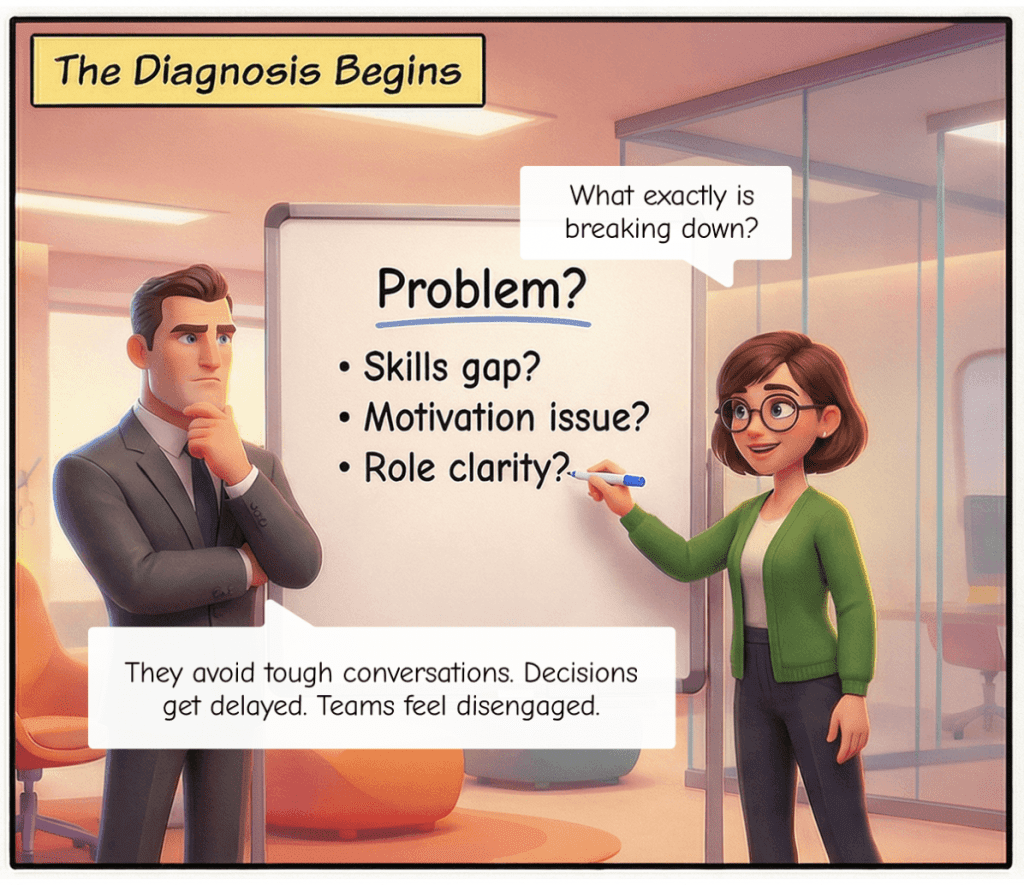
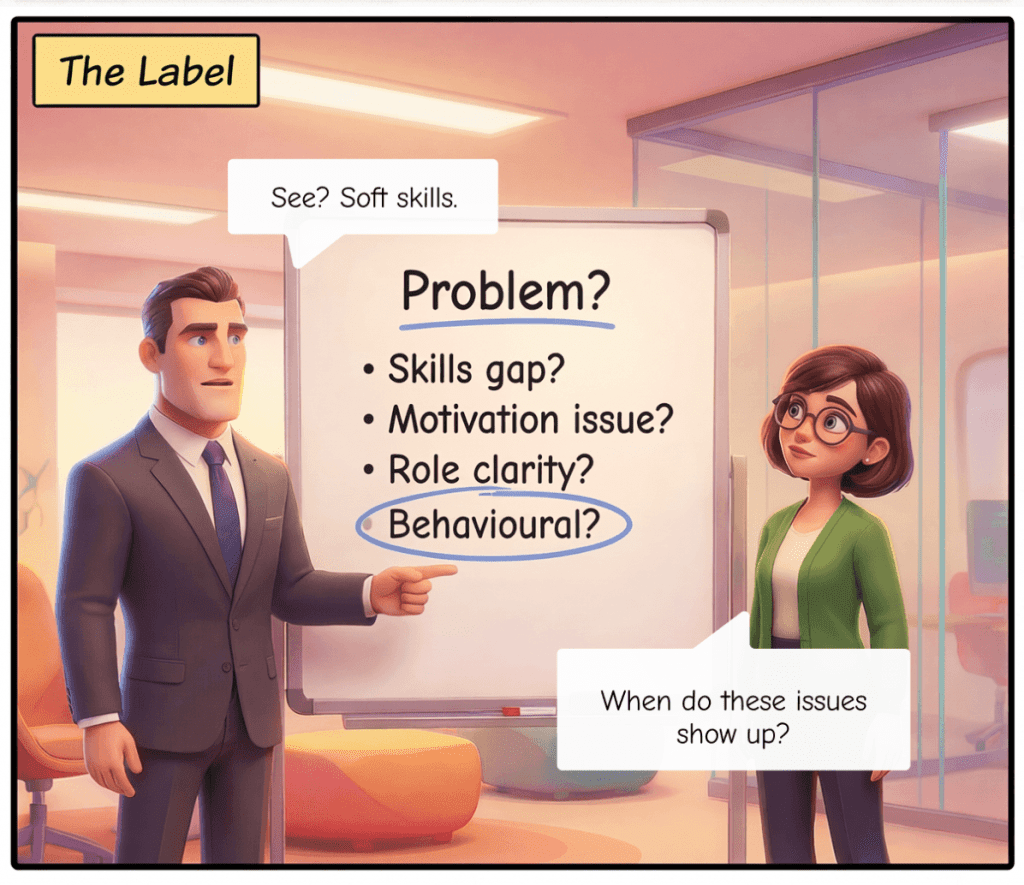
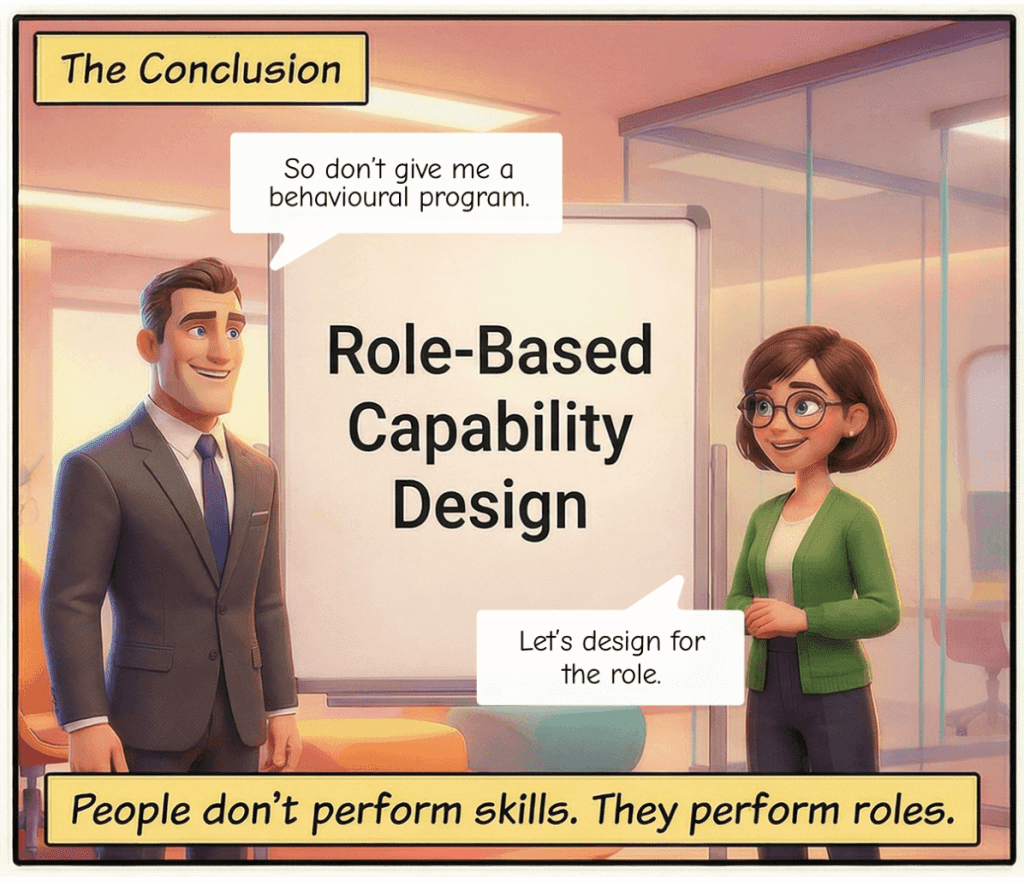
The most effective integrated solutions begin with probing questions, not preconceived frameworks: Where’s the breakdown—capability, behavior, or context? Individual, managerial, or systemic? L&D professionals must shape integration around real work and roles, isolating true constraints to build targeted designs.
In Practice, This Means:
Behaviors woven into functional simulations
Assessments mirroring real complexity
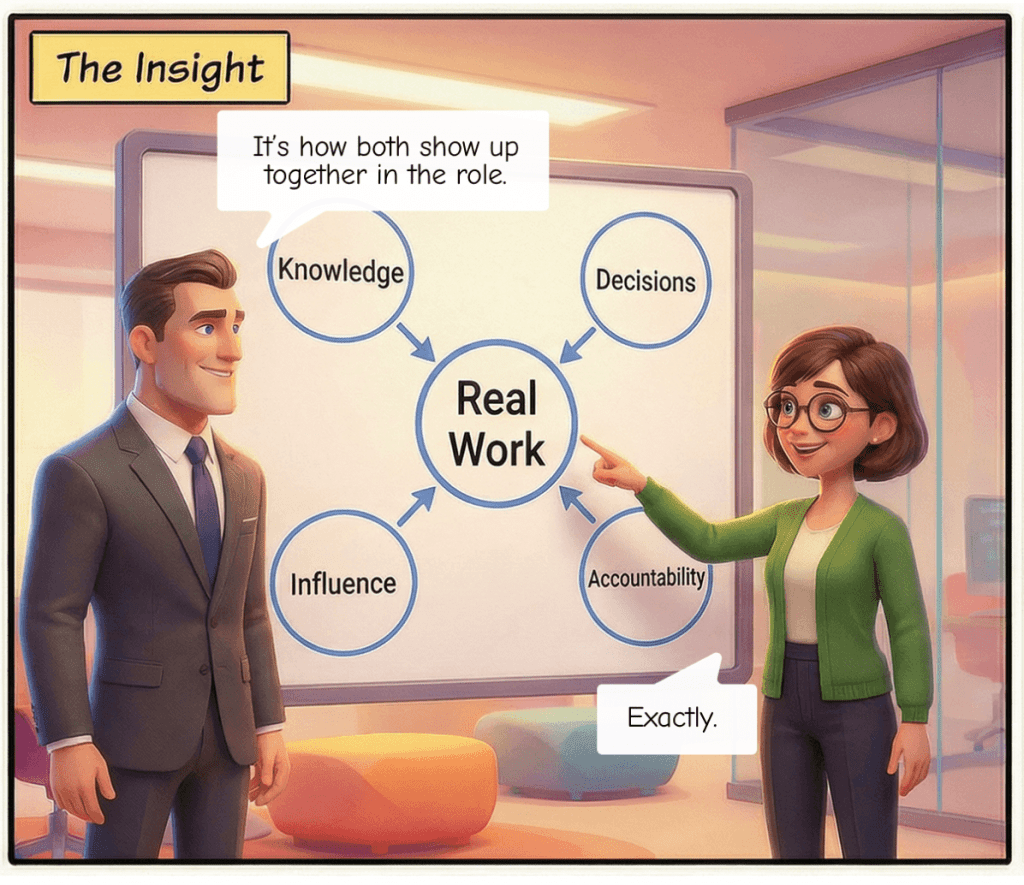
True integration isn’t mere addition—
it’s intentional connection that resolves stakeholder pain points.
For L&D leaders and consultants,
the deepest challenge lies in a mindset shift amid rising stakeholder complexity.
Value emerges not from pitching comprehensive blueprints, but from simplifying without oversimplifying — prioritizing ruthlessly before designing, challenging assumptions about must-have elements, and resisting the urge to “solve everything” in one go.
As roles increasingly blur behavioral and functional demands, those who master diagnostic sharpness alongside thoughtful integration become strategic partners, turning emerging expectations into scalable solutions that drive organizational growth.
info@thinktalentindia.com
+91-9910955257
+91-8828158509