












Talent Management: Evolving Paradigms
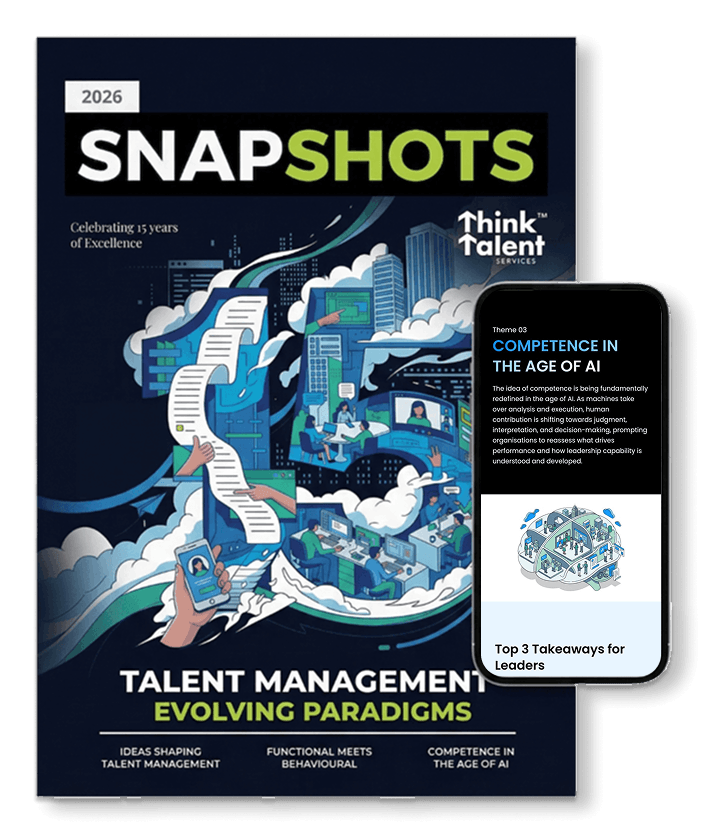
This edition of Snapshots arrives at a moment of real change — in technology, in how we think about people, and in what organisations actually need from talent management.
The three themes this year reflect what we’ve heard consistently from clients and practitioners:
“The real voyage of discovery lies not in seeking new lands, but in seeing with new eyes.” — Marcel Proust

Founder
Shuttl
Group Chief Human Resources Officer
Bajaj Finserv
Head Sales Academy & Distribution Initiatives
Niva Bupa Health Insurance
EVP & Head HR - Distribution, Diversity & Inclusion
Axis Max Life Insurance
Director Learning Solutions, OD & Partner Enablement
Schneider Electric India
Chief Executive Officer
Essence Middle East Consulting FZ LLC
HR Advisor &
Former Chief Group HR
Tata Sons
Group Digital Offerings Leader & Senior Director
Sopra Steria
Chief Human
Resources Officer
Luminous Power Technologies
Dy. Chief Executive Officer
Sopra Steria
India
Ex-Managing Director
Racold Thermo
Click to Jump Sections >
Theme 01
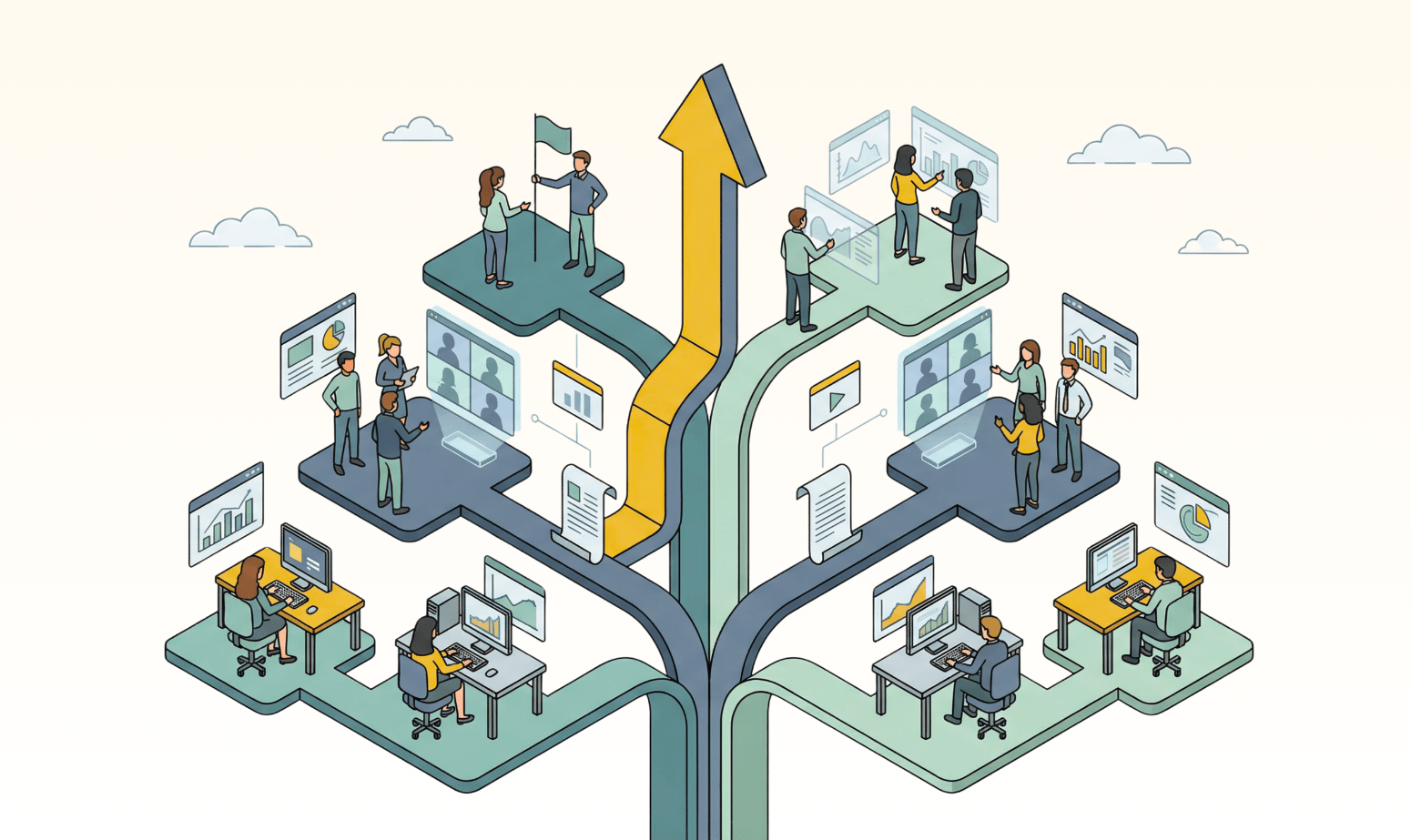
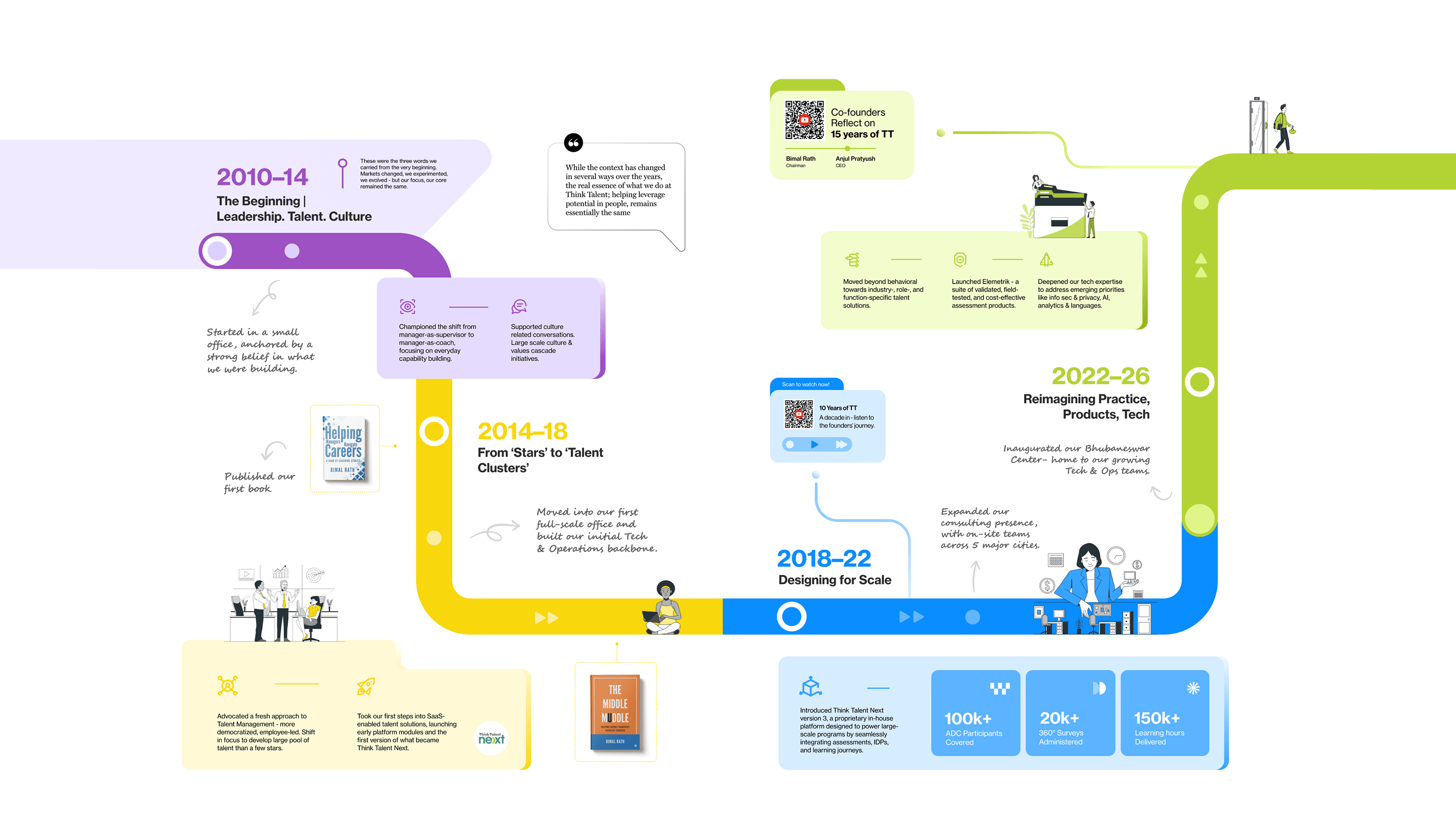
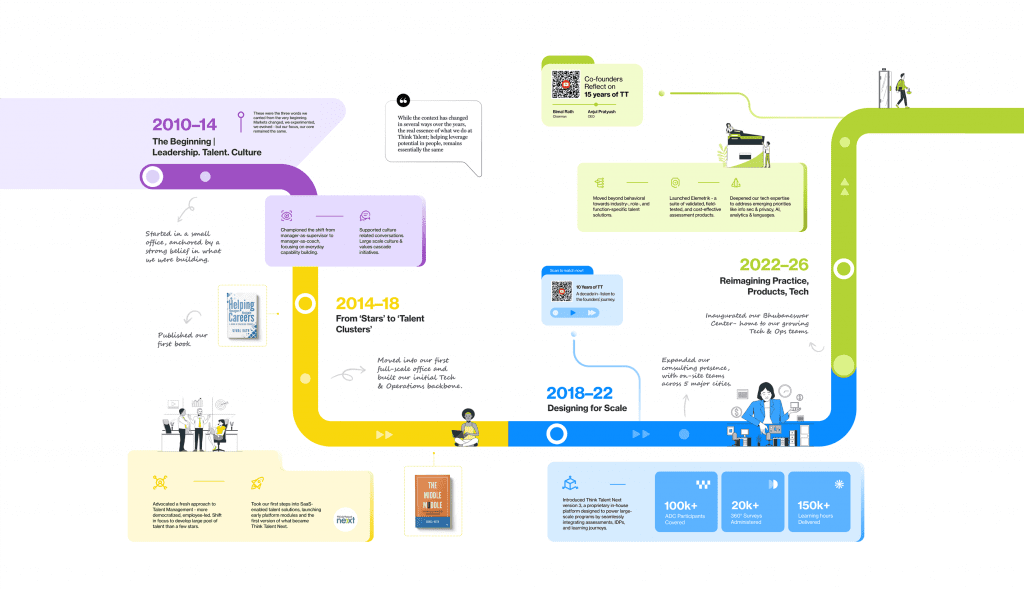
In 2025, as we complete 15 years, this section looks back at how ideas, talent management processes, and HR practices have evolved. What emerges is a shift beyond incremental improvements towards deeper rethinking of how talent is identified, developed, and deployed, with greater focus on learnability and real-world capability.
Top 3 Takeaways for Leaders
Talent management has moved beyond incremental improvements to fundamentally rethinking how talent is identified, developed, and deployed.
Over time, the focus has shifted from fixed roles, competencies, and “HiPo” labels to learnability, mobility, and real-world capability.
Many of these shifts have emerged from on-ground work—reflecting a move towards more contextual, practical, and execution-focused talent approaches.

Satish Pradhan, Former Group HR Head at Tata Sons, in this piece explores the shift in talent management—from static labels and competency checklists to a dynamic view of growth and capability.
The old questions are giving way to harder ones: how well do people grow under pressure, & how well does the organisation enable that? CEOs and Boards now treat talent as enterprise risk, not an HR program. This article examines what that shift demands.



Coaching cannot remain a specialized skill held by a few certified coaches. Every manager and leader will have to develop coaching as a core capability. It has to be embedded in the way we manage and lead people every day.
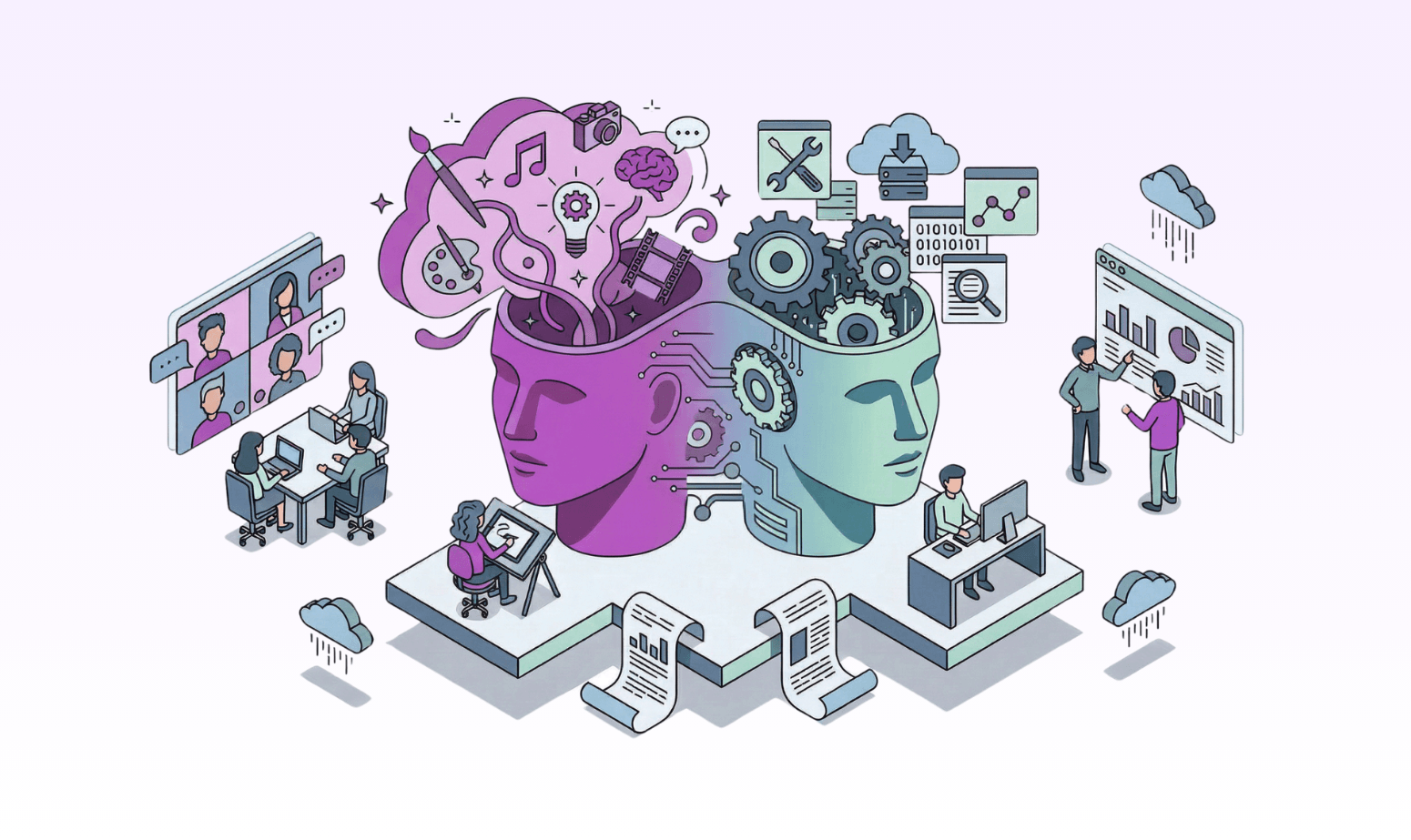
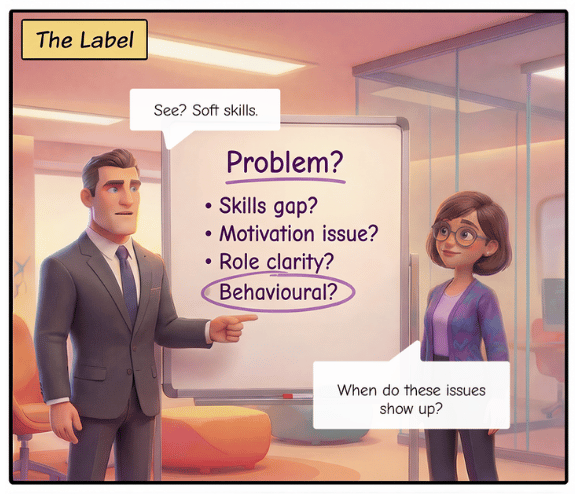
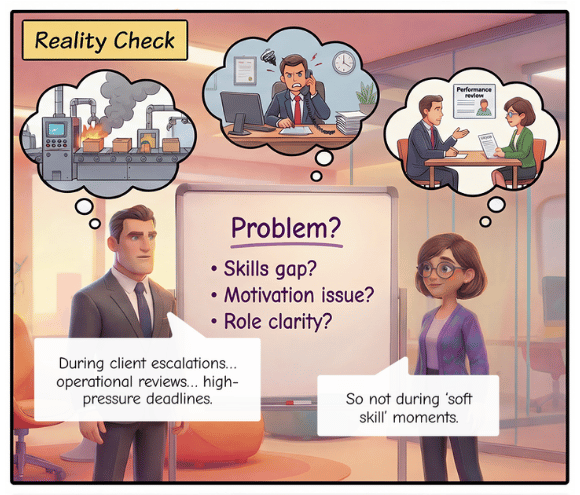
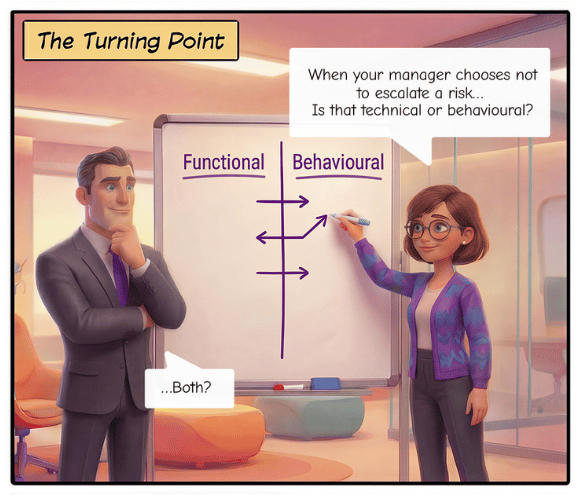
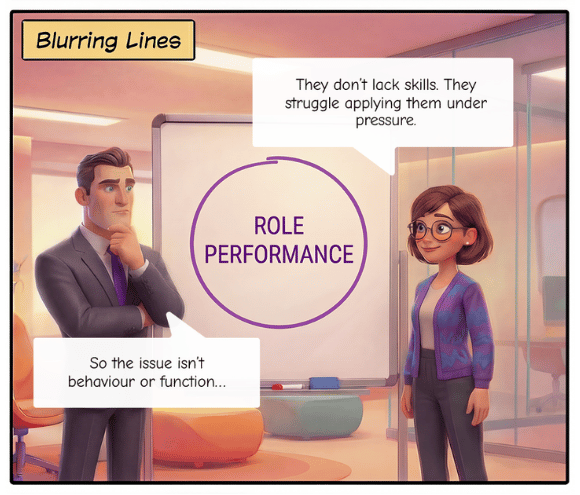
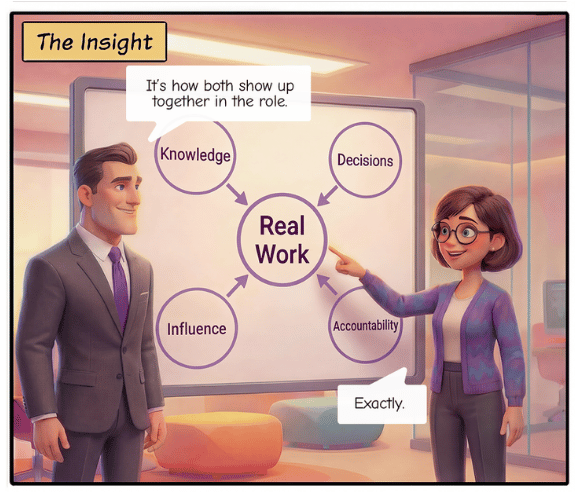
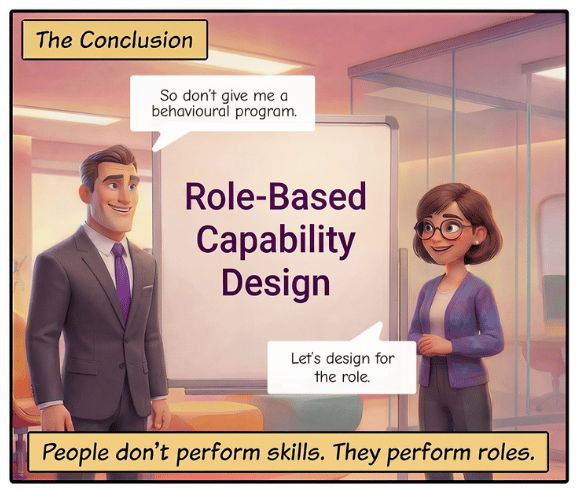
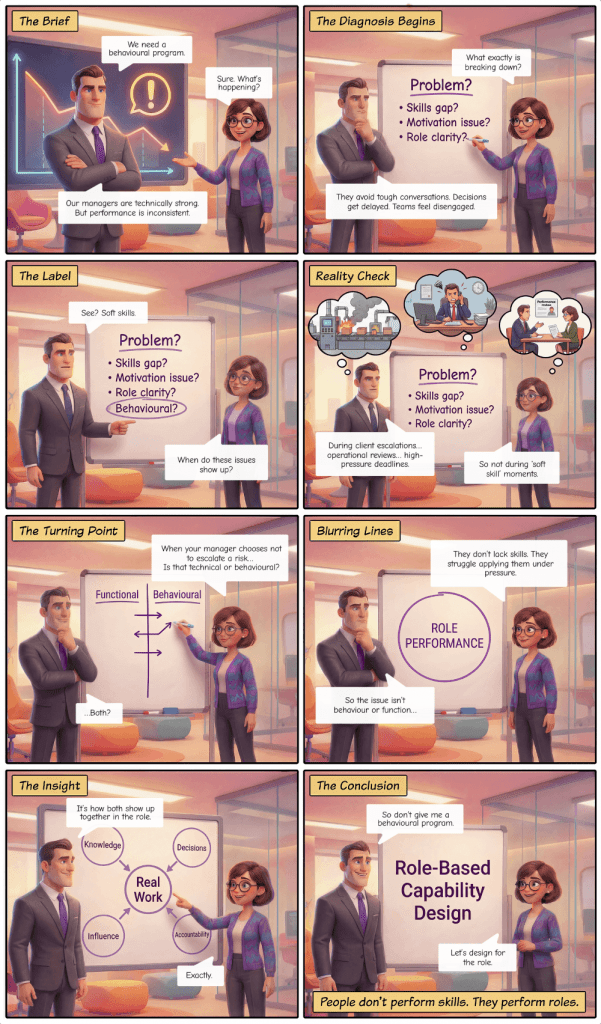
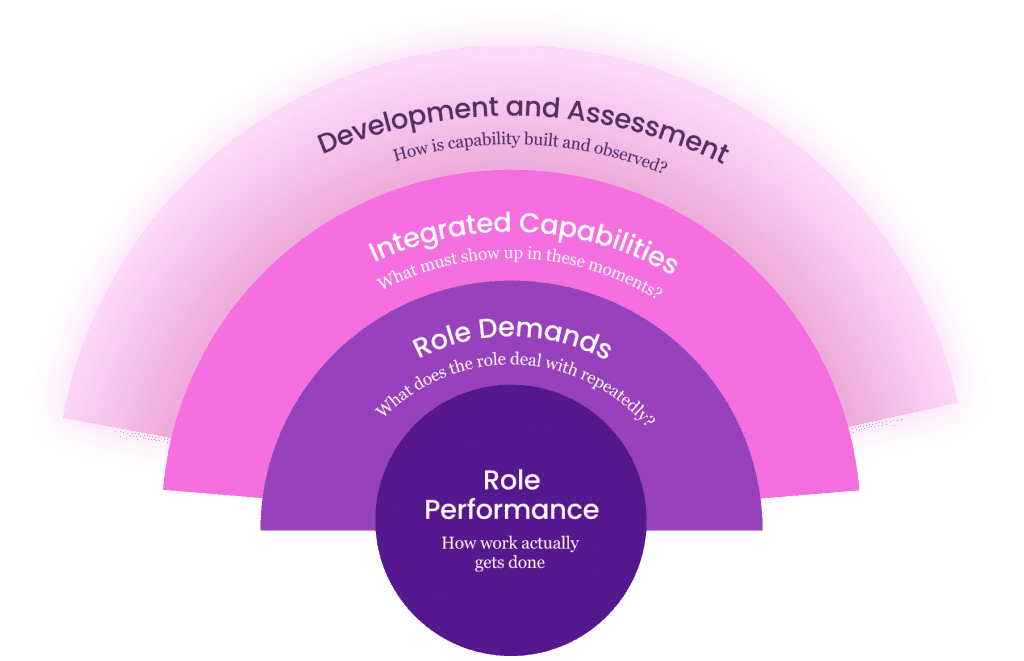
Organisations are moving beyond isolated capability building to more integrated, outcome-driven approaches. The focus is shifting from “skills” to how individuals think, decide, and perform in real roles, bringing functional expertise and behavioural capability together in ways that directly influence business performance.
Top 3 Takeaways for Leaders
Talent development is shifting from isolated skill-building to designing around real roles, where performance depends on integrating multiple capabilities in context.
Functional expertise, behavioural skills, and judgment are no longer separate—effectiveness comes from applying them together in real, high-pressure situations.
Organizations are moving towards industry-, function-, and role-specific solutions, ensuring talent interventions are grounded in actual business challenges and execution realities.


For decades, organisations selected for conscientiousness, extraversion, and stability. As AI takes over execution-heavy tasks, the traits that drive performance are beginning to shift — and the data reveals a clear gap in innovation readiness.
Drawing on personality data from managers across 15 BSE100 organisations, this article examines what AI-era leadership readiness actually looks like — and what targeted development is needed to close the gap.

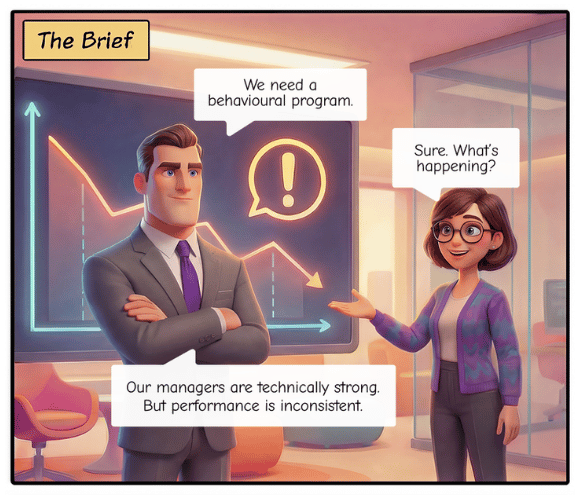
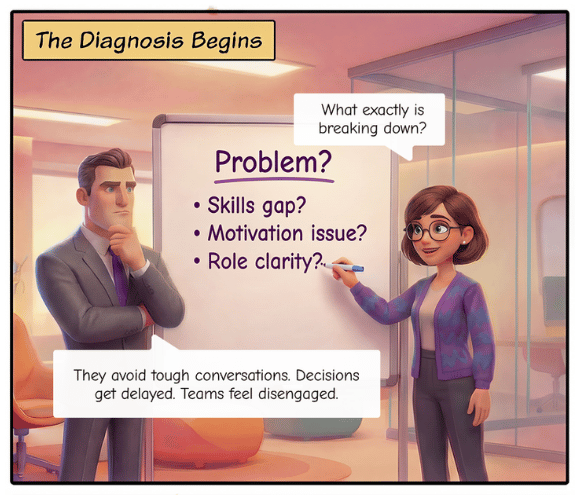
Across organizations, the real test is not in frameworks, but in how work gets done on the ground. This piece brings together a set of client stories that reflect how we are working with clients to redesign talent interventions to stay close to business realities.
From large-scale sales assessments to plant-level potential mapping, the focus is consistent: making talent processes more industry-, function-, and role-specific, more integrated, and more practical for leaders and teams. These examples show how organizations are moving beyond generic models to solutions that reflect their operating context and drive execution outcomes.

Capacity building has to be about what moves the needle…what is the impact? For a business to grow 40% y-o-y, what we require is not just relevance, it is radical relevance…
Empathy is critical for relevance. Treating sales teams as peers and seeking to understand their pressure points, the barriers holding them back…this partnership is critical to achieve “relevance” in learning program design.
Top 3 Takeaways for Leaders
As AI expands access to data and recommendations, leadership effectiveness depends on making context-aware decisions, not relying on analysis alone.
Leaders must continuously manage trade-offs—between speed and deliberation, automation and human impact, and short-term outcomes and long-term sustainability.
The focus is shifting from technical skills to broader capabilities—the ability to adapt, learn, and apply thinking in dynamic, uncertain environments.


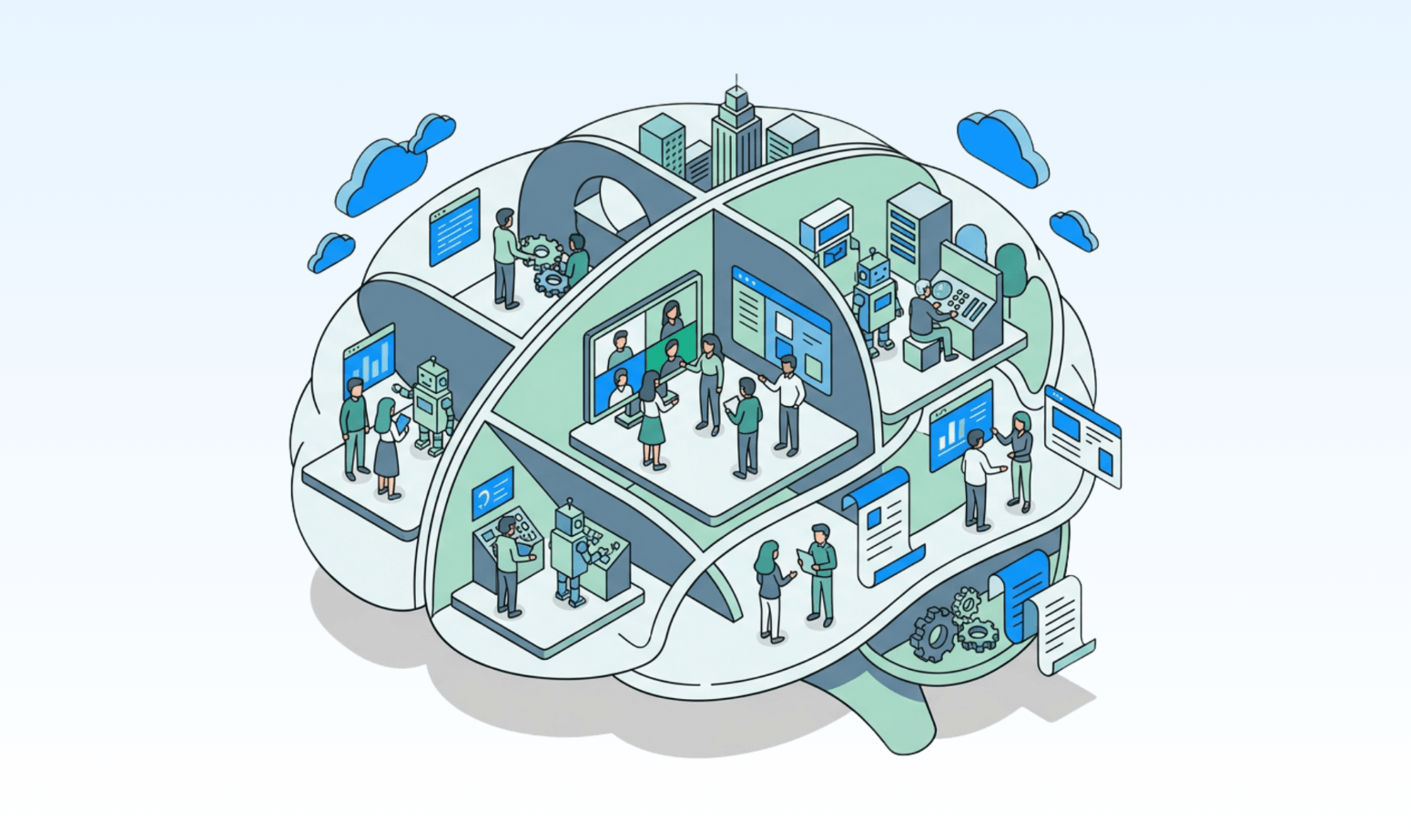
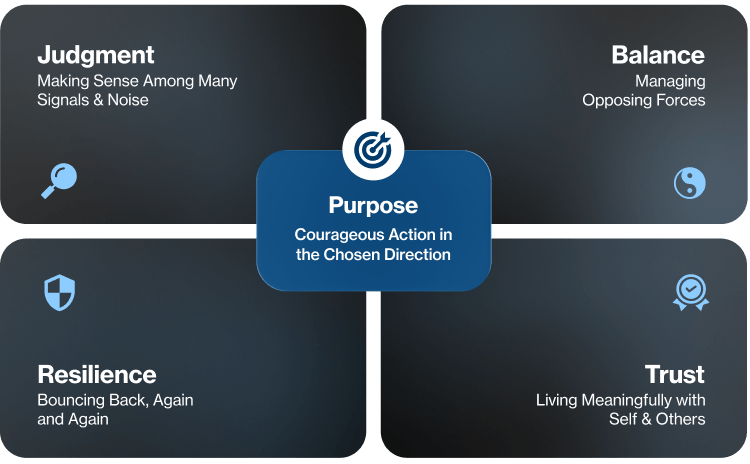
Algorithms now outperform humans at pattern recognition and predictive analysis. Yet in conversations with 50+ CXOs across industries, one message came through clearly: the most critical leadership capabilities in an AI-enabled world are deeply human.
Four themes emerged consistently — Judgment, Balance, Resilience, and Trust. This article explores what each demands of leaders today, and why the age of AI raises the bar for human leadership rather than lowering it.

The agility to continuously learn is becoming one of the primary qualities of a leader. Things are changing so fast that the ability to quickly learn and adapt has become critical. This was required earlier as well, but the scale and intensity today are very different.
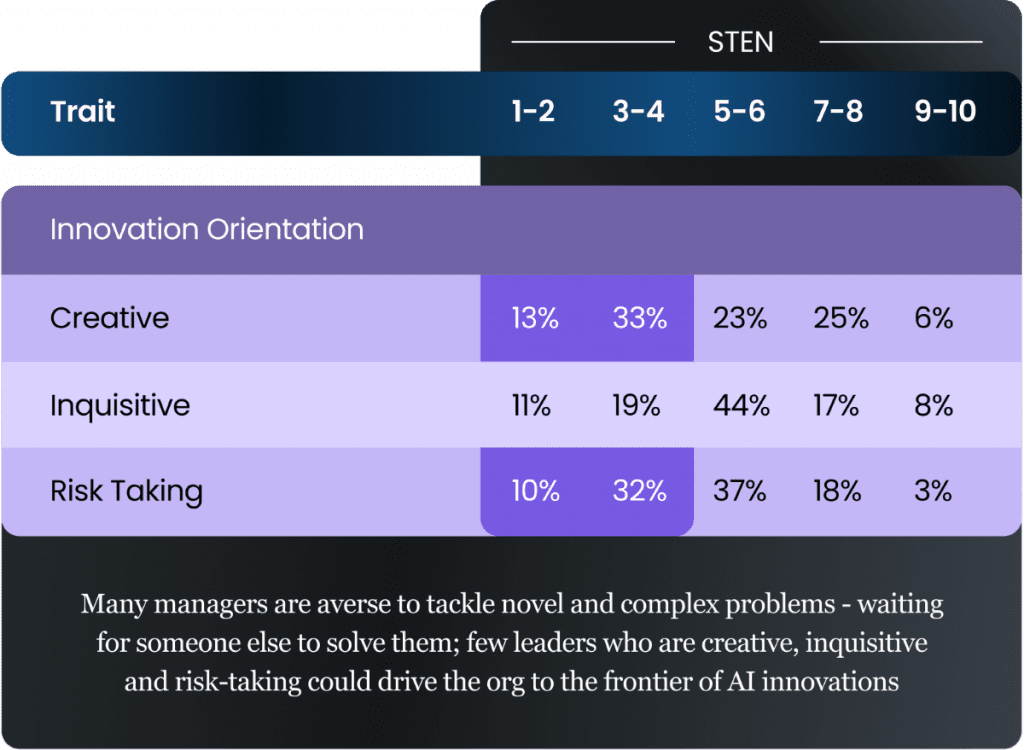
For decades, organisations selected for conscientiousness, extraversion, and stability. As AI takes over execution-heavy tasks, the traits that drive performance are beginning to shift — and the data reveals a clear gap in innovation readiness.
Drawing on personality data from managers across 15 BSE100 organisations, this article examines what AI-era leadership readiness actually looks like — and what targeted development is needed to close the gap.

Knowledge went out of the picture a while back with the advent of Internet, everything was accessible. It was more about application because you don’t need to know things, you will find out. But how do you apply it to the problem statement at hand is what the core job became.
Disclaimer: All quotes mentioned on this page have undergone editing for conciseness, with a focus on retaining the contributor’s intended message and context.
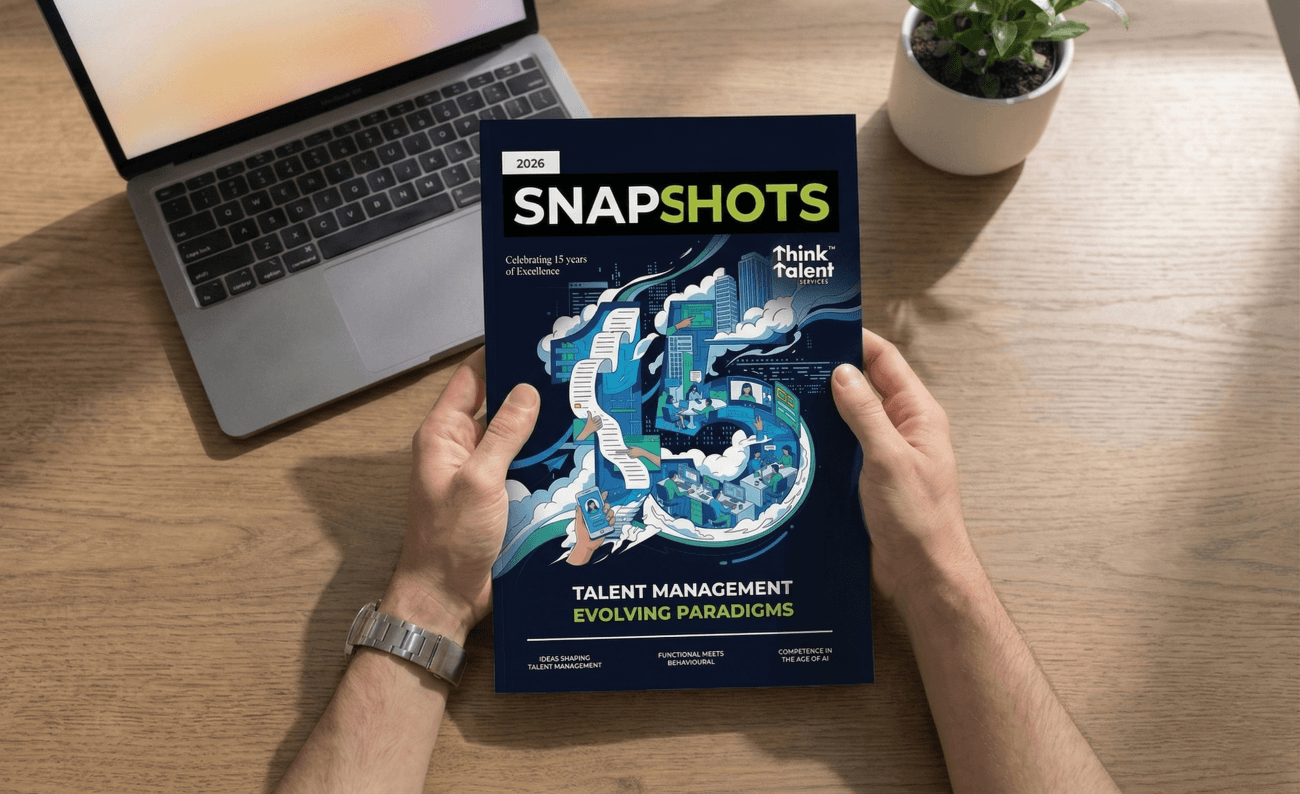
Download the PDF & get comprehensive insights on evolving talent management.
info@thinktalentindia.com
+91-9910955257
+91-8828158509